
Blood Health
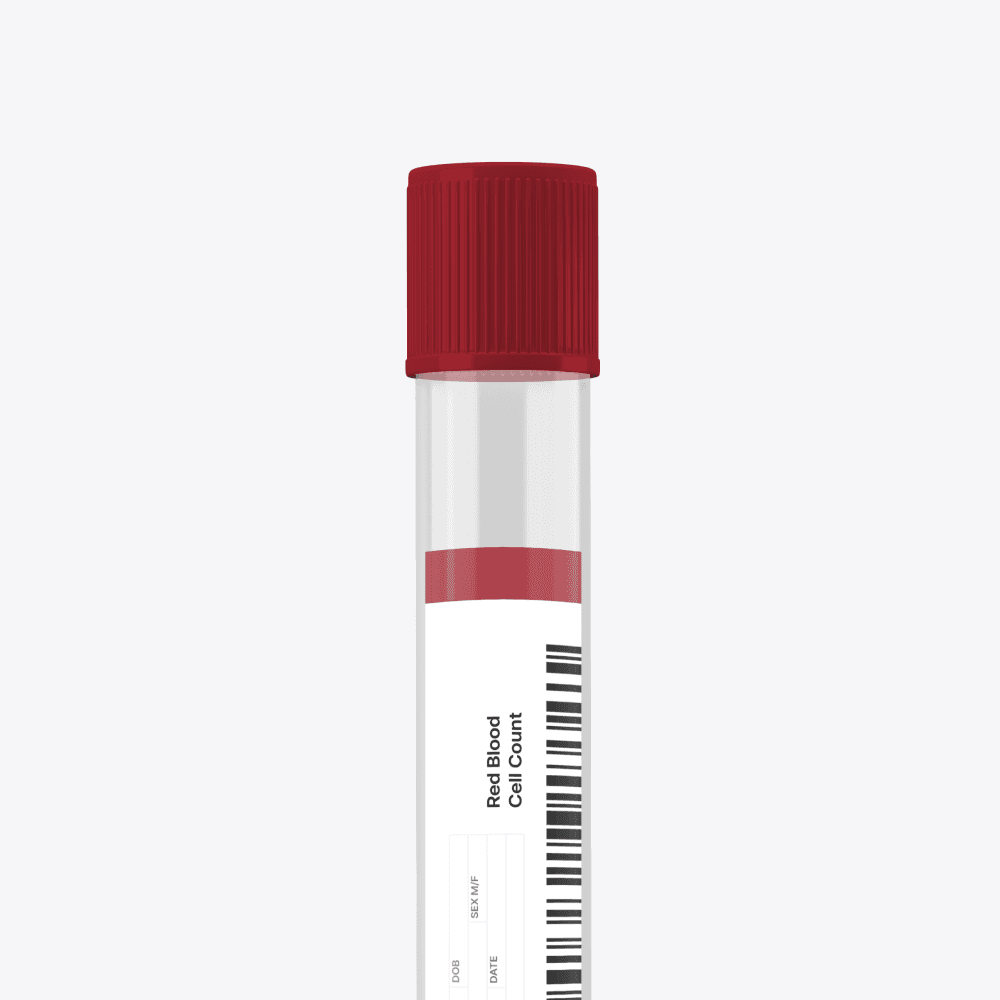
Red Blood Cell Count
What This Marker Tells Us
Measures the number of oxygen-carrying cells in your blood, providing essential information about your body's capacity to deliver oxygen to tissues and organs throughout your body.
Why It Matters
Red blood cells contain hemoglobin, the protein that binds and transports oxygen from your lungs to every cell in your body and returns carbon dioxide for exhalation. Adequate RBC count is essential for energy production, exercise performance, cognitive function, and overall vitality. Low RBC count (anemia) causes fatigue, weakness, shortness of breath, pale skin, dizziness, and reduced exercise capacity because tissues aren't receiving sufficient oxygen. High RBC count (polycythemia) thickens blood, increasing risk for blood clots, stroke, and heart attack. RBC count must be interpreted alongside hemoglobin and hematocrit, and, together these reveal whether oxygen-carrying capacity is optimal, deficient, or excessive.
How to Interpret Your Trends
Normal RBC counts are approximately 4.7-6.1 million cells/μL for men and 4.2-5.4 million cells/μL for women, reflecting higher testosterone and blood volume in men. Low RBC suggests anemia, which requires investigating the cause—iron deficiency, B12/folate deficiency, chronic disease, blood loss, kidney disease, or bone marrow disorders. High RBC may indicate dehydration (concentrated blood), chronic hypoxia (living at altitude, lung disease, sleep apnea), smoking, or polycythemia vera (bone marrow disorder). Athletes training at altitude develop higher RBC counts as an adaptation. RBC count alone doesn't determine anemia; hemoglobin and hematocrit are equally important.
What Influences This Marker
RBC count decreases with iron, B12, or folate deficiency, chronic blood loss (heavy periods, GI bleeding), chronic kidney disease (reduced erythropoietin production), bone marrow suppression, chronic inflammation, hemolysis (RBC destruction), and certain medications. RBC increases with dehydration, smoking, chronic hypoxia (altitude, lung disease), testosterone therapy, erythropoietin use (performance-enhancing), and polycythemia vera. Living or training at high altitude naturally increases RBC production. Pregnancy normally causes slight decrease due to blood volume expansion.
How Your Team Uses It
Your coach implements nutrition strategies supporting healthy RBC production: iron-rich foods (red meat, poultry, fish, legumes, spinach), B12 sources (animal products, fortified foods for vegetarians), folate-rich vegetables (leafy greens, broccoli, Brussels sprouts), and vitamin C-rich foods to enhance iron absorption.
Related Signals We Also Review
Hemoglobin, hematocrit, MCV, MCH, MCHC, RDW, ferritin, iron saturation, B12, folate, and reticulocyte count for complete RBC assessment.