Blood Health
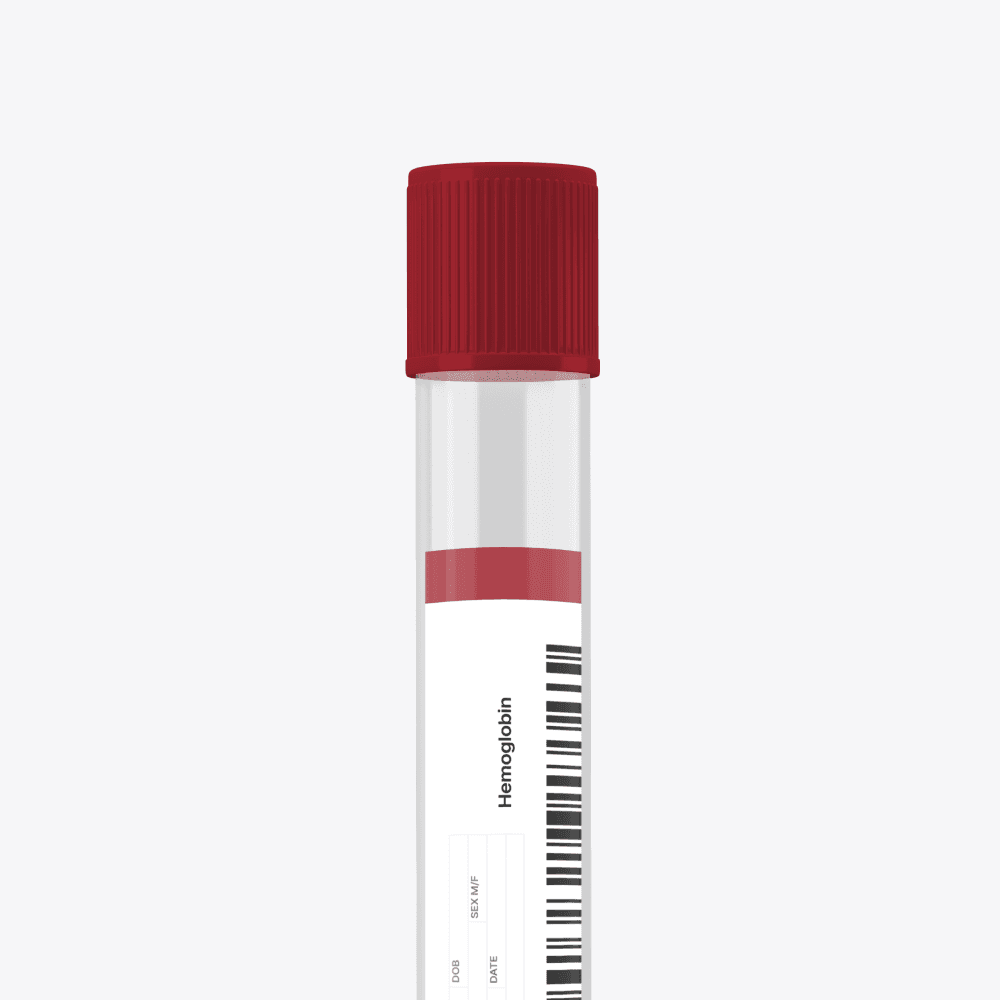
Hemoglobin
What This Marker Tells Us
Measures the oxygen-carrying protein inside your red blood cells, directly reflecting your blood's capacity to transport oxygen from lungs to tissues and serving as the primary marker for diagnosing anemia.
Why It Matters
The critical functional component of red blood cells, as it's what binds oxygen in your lungs and releases it to your tissues. Each hemoglobin molecule contains four iron atoms that bind oxygen, making iron status crucial for hemoglobin production. Low hemoglobin (anemia) is one of the most common blood disorders worldwide, causing fatigue, weakness, shortness of breath, rapid heart rate, pale skin, cold hands and feet, headaches, and reduced exercise tolerance. Severe anemia impairs cognitive function and work capacity. High hemoglobin thickens blood and increases clotting risk. Hemoglobin levels directly impact athletic performance, energy levels, and quality of life, making optimization essential for vitality and function.
How to Interpret Your Trends
Normal hemoglobin is approximately 13.5-17.5 g/dL for men and 12.0-15.5 g/dL for women. Hemoglobin below 13 g/dL in men or 12 g/dL in women indicates anemia. Mild anemia (11-12 g/dL for women, 12-13 g/dL for men) often causes subtle fatigue. Moderate anemia (8-11 g/dL) produces significant symptoms requiring treatment. Severe anemia (below 8 g/dL) is dangerous and requires urgent intervention. Hemoglobin above 17 g/dL in women or 18 g/dL in men may indicate polycythemia, dehydration, or doping. Athletes, especially endurance athletes, benefit from hemoglobin in the upper normal range for optimal oxygen delivery.
What Influences This Marker
Hemoglobin decreases with iron deficiency (most common cause in women), B12/folate deficiency, chronic disease, kidney disease (reduced erythropoietin), blood loss (menstruation, GI bleeding), bone marrow disorders, hemolysis, pregnancy (blood volume expansion), and chronic inflammation. Hemoglobin increases with dehydration, smoking, chronic hypoxia (altitude, lung disease, sleep apnea), testosterone therapy, erythropoietin use, and polycythemia vera. Altitude training and living at elevation naturally increase hemoglobin. Vegetarians and vegans are at higher risk for low hemoglobin due to less bioavailable iron.
How Your Team Uses It
Your coach develops iron-rich dietary strategies including heme iron sources (meat, poultry, fish) and non-heme sources (beans, lentils, fortified cereals, dark leafy greens), implements meal timing to enhance absorption (iron with vitamin C-rich foods, separated from calcium and tea), and monitors nutritional adequacy especially for vegetarians and women.
Related Signals We Also Review
Hematocrit, RBC count, MCV, MCH, MCHC, RDW, ferritin, iron saturation, B12, folate, and reticulocyte count for complete anemia evaluation.