Iron
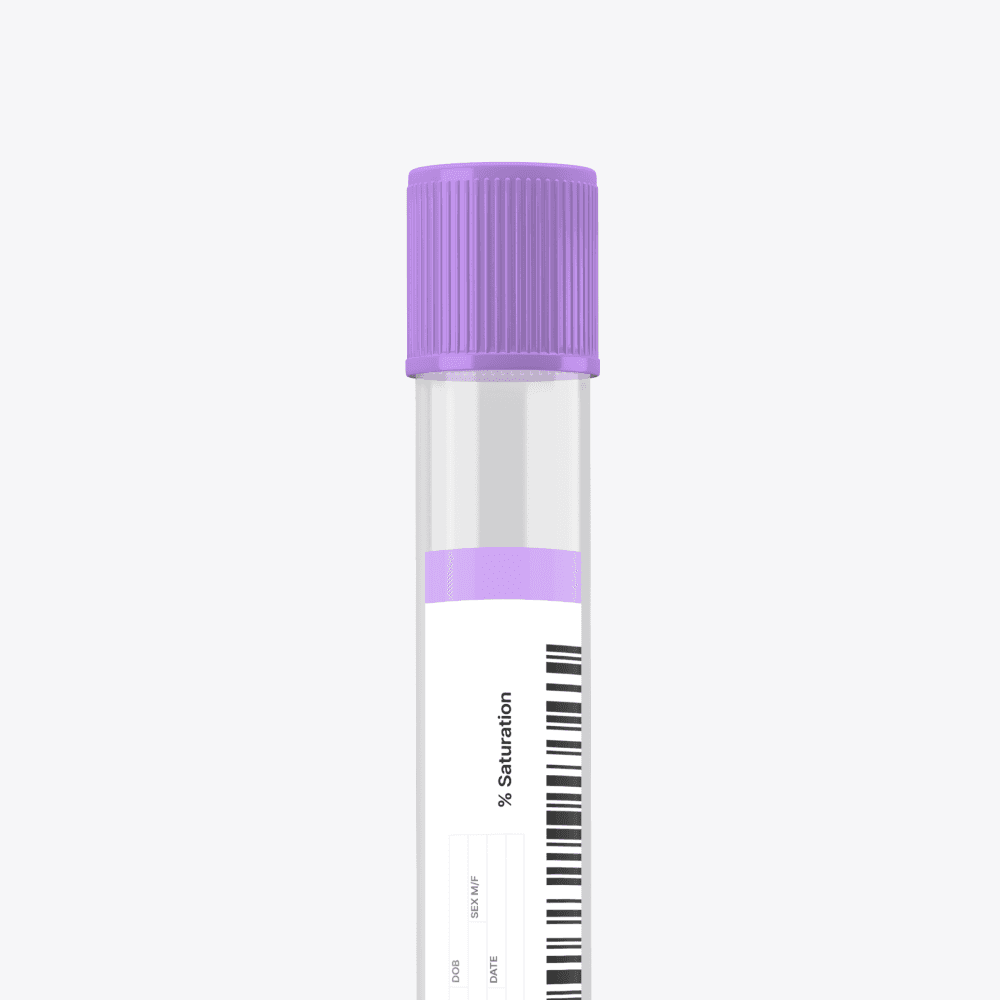
% Saturation
What This Marker Tells Us
Measures how much of your blood's iron-carrying capacity is currently being used. It shows the percentage of transferrin (your iron transport protein) that's loaded with iron, revealing how efficiently your body is managing iron distribution.
Why It Matters
Iron saturation is essential for understanding iron metabolism beyond just looking at iron levels alone. When saturation is too low, your tissues may not be getting enough iron for energy production, oxygen transport, and cellular function even if total iron appears normal. When saturation is too high, excess iron can accumulate in organs like the liver and heart, potentially causing oxidative damage. This marker helps distinguish between different types of anemia and can reveal early iron overload conditions before they cause symptoms. Your body tightly regulates iron because it's both essential and potentially toxic, making this balance critical for optimal health.
How to Interpret Your Trends
Low saturation (below 20%) typically indicates iron deficiency, meaning your body doesn't have enough iron available despite having the transport capacity. This often appears before anemia develops and may cause fatigue, weakness, or reduced exercise capacity. Typical saturation (20-45%) suggests healthy iron availability and efficient transport to tissues. High saturation (above 45%) may indicate iron overload, hemochromatosis, or excessive supplementation. Consistently elevated levels warrant investigation as excess iron promotes inflammation and oxidative stress. Track your saturation alongside ferritin and TIBC for the complete picture; saturation can drop with inflammation even when iron stores are adequate, so context matters.
What Influences This Marker
Iron saturation responds to dietary iron intake, supplementation, menstrual blood loss, and gastrointestinal absorption efficiency. Inflammation, infection, and chronic disease can temporarily lower saturation as your body sequesters iron. Heavy menstrual periods, blood donation, or internal bleeding decrease saturation. Genetic conditions like hemochromatosis cause persistent elevation. Vitamin C enhances iron absorption and can increase saturation, while calcium and tannins in tea reduce absorption.
How Your Team Uses It
Your coach interprets saturation alongside ferritin, TIBC, and symptoms to determine whether iron optimization is needed. If saturation is low, they'll explore dietary sources, absorption factors, and appropriate supplementation timing. For high saturation, they'll assess whether this reflects overload requiring medical evaluation or simply reflects recent supplementation timing.
Related Signals We Also Review
Ferritin, Total Iron Binding Capacity (TIBC), serum iron, hemoglobin, MCV, transferrin, and complete blood count for comprehensive iron status assessment.