

Glucose
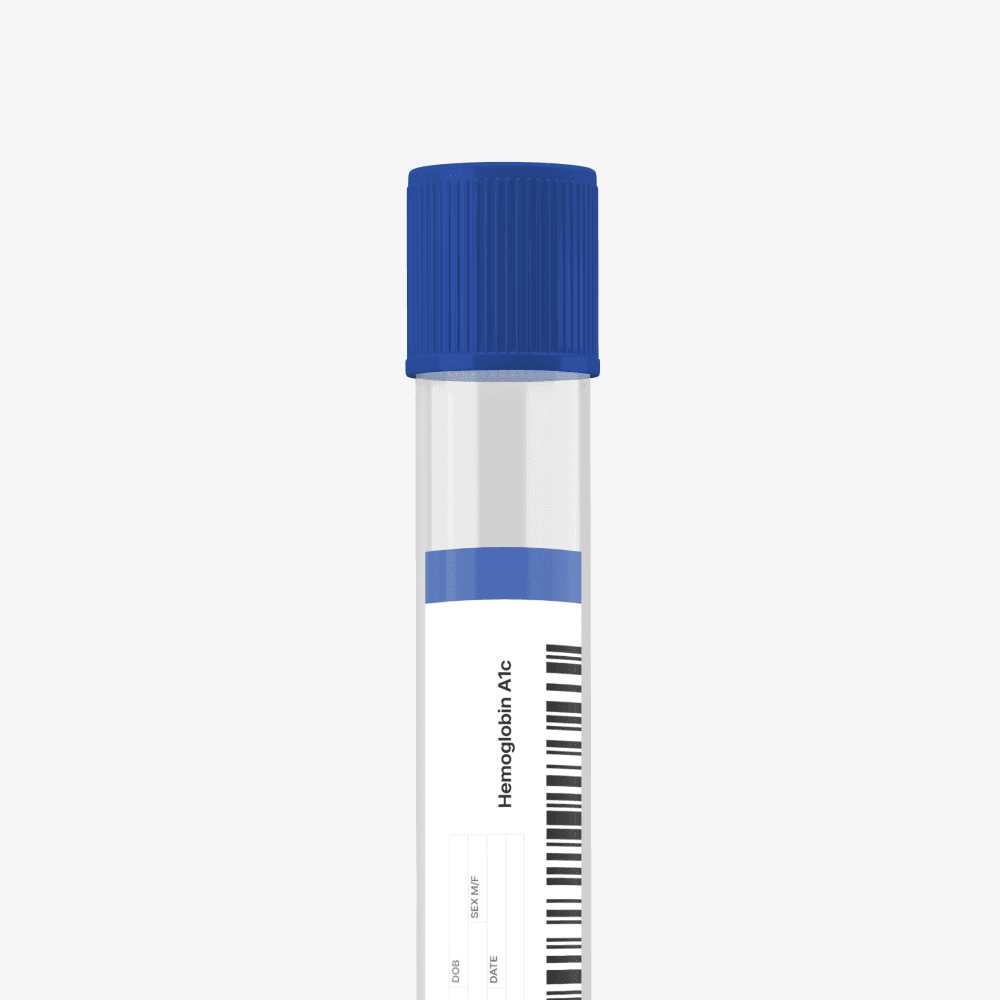
Hemoglobin A1c
What This Marker Tells Us
Measures the percentage of your hemoglobin that has glucose attached to it, providing a three-month average of your blood sugar control and metabolic health.
Why It Matters
The gold standard for assessing long-term glucose control because red blood cells live approximately 120 days, so their glucose coating reflects average blood sugar over the past 2-3 months. Unlike fasting glucose which provides a single moment in time, HbA1c reveals patterns of glucose control including post-meal spikes. Elevated HbA1c indicates prediabetes or diabetes, increasing risk for cardiovascular disease, kidney disease, nerve damage, vision loss, and accelerated aging through glycation (sugar molecules damaging proteins throughout your body). Even levels at the high end of "normal" (5.7-6.4%) significantly increase health risks. Optimal HbA1c below 5.5% is associated with the lowest risk of age-related diseases and longest healthspan. HbA1c is both diagnostic and prognostic because it predicts future disease risk and guides treatment intensity.
How to Interpret Your Trends
Optimal HbA1c is below 5.5%, indicating excellent glucose control and metabolic health. Levels of 5.5-5.6% are acceptable but warrant attention to prevent progression. HbA1c of 5.7-6.4% defines prediabetes, a state of significantly elevated disease risk that's often reversible with aggressive lifestyle intervention. Levels of 6.5% or higher on two separate tests diagnose diabetes, requiring comprehensive metabolic management. Even small increases within the "normal" range matter, rising from 5.0% to 5.4% doubles diabetes risk over subsequent years. Downward trends indicate improving metabolic health, while upward trends demand immediate intervention regardless of where you start.
What Influences This Marker
HbA1c rises with high carbohydrate intake (especially refined sugars), obesity, sedentary lifestyle, insulin resistance, inadequate sleep, chronic stress, and aging. It increases progressively with metabolic dysfunction—prediabetes typically develops over years of poor diet and inactivity. HbA1c improves with weight loss, carbohydrate reduction (especially processed carbs), regular exercise (both aerobic and resistance training), improved sleep, stress management, and medications when needed. Time-restricted eating and low-carb diets often produce dramatic improvements. Conditions affecting red blood cell lifespan (anemia, recent blood loss) can falsely lower HbA1c, while iron deficiency can falsely elevate it.
How Your Team Uses It
Your coach develops meal structures emphasizing protein and fiber while moderating carbohydrate intake, especially refined carbs. They'll create carbohydrate timing strategies around physical activity, implement progressive resistance training programs, and support sustainable behavior changes that improve glucose control.
Related Signals We Also Review
Fasting glucose, fasting insulin, triglycerides, HDL cholesterol, ALT, hs-CRP, and body composition for comprehensive metabolic health assessment.