

Liver
GGT
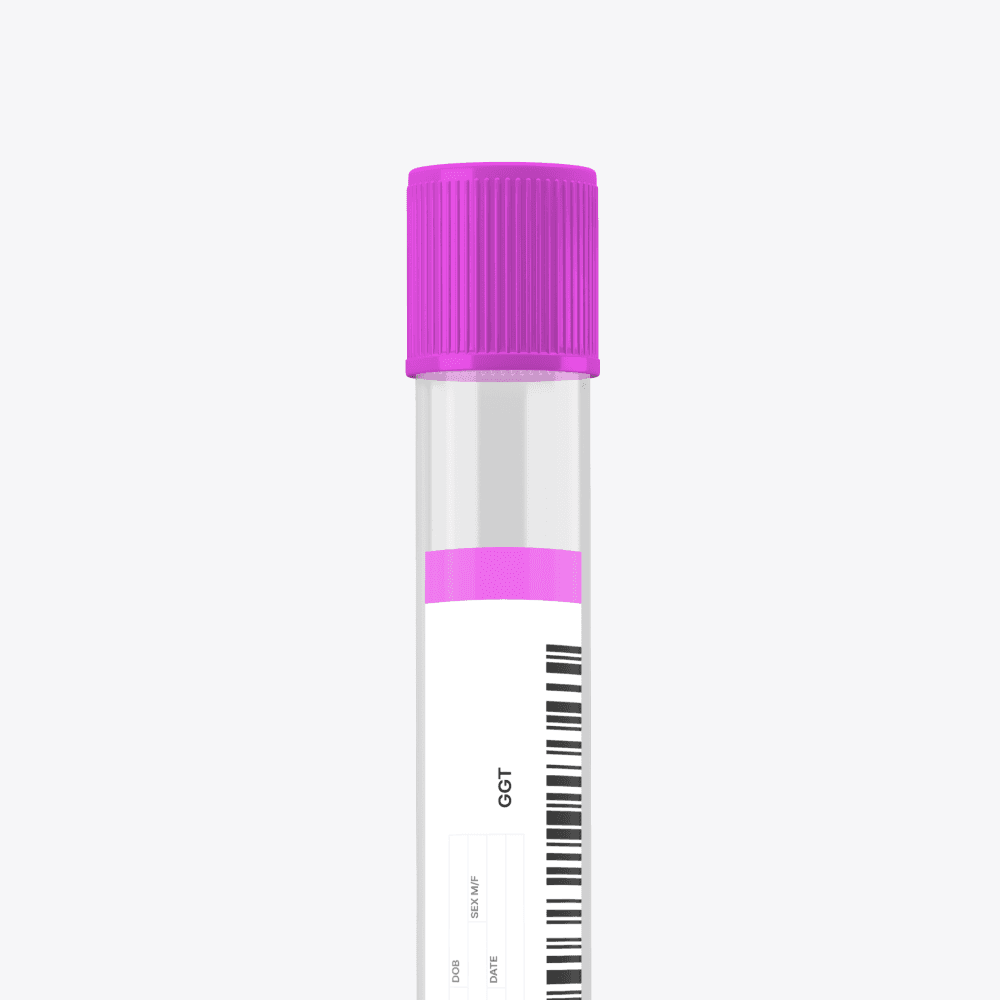
What This Marker Tells Us
A liver enzyme highly sensitive to alcohol consumption, oxidative stress, and metabolic dysfunction, revealing liver health and cardiovascular risk.
Why It Matters
GGT rises earlier than other liver enzymes in response to alcohol, oxidative stress, fatty liver disease, and bile duct problems. It's the best marker for alcohol-related liver damage and predicts cardiovascular disease, diabetes, and mortality independent of other factors. Even within normal ranges, higher GGT associates with worse outcomes. GGT captures oxidative stress and inflammation affecting both liver and cardiovascular health.
How to Interpret Your Trends
Low GGT is associated with excellent health outcomes. Typical GGT (9-48 U/L for men, 9-32 U/L for women) suggests normal liver function. Elevated GGT (above typical range) indicates alcohol consumption, fatty liver, oxidative stress, bile duct issues, or metabolic syndrome. Very high GGT suggests significant liver disease, chronic alcohol use, or bile duct obstruction. Lower is definitively better within the normal range.
What Influences This Marker
Alcohol consumption dramatically elevates GGT, often out of proportion to other liver enzymes. Fatty liver disease, metabolic syndrome, obesity, and diabetes raise GGT through oxidative stress. Certain medications and supplements increase GGT. Bile duct obstruction causes significant elevation. Reduced alcohol intake, weight loss, antioxidant-rich diet, and metabolic optimization lower GGT.
How Your Team Uses It
Your coach uses GGT to assess alcohol-related liver damage, oxidative stress burden, and cardiovascular risk. Elevated GGT prompts honest discussion about alcohol consumption and comprehensive metabolic interventions. It's particularly useful in the GGT/HDL ratio for metabolic syndrome assessment. Monitoring GGT tracks liver health improvements.
Related Signals We Also Review
ALT, AST, alkaline phosphatase, bilirubin, GGT/HDL ratio, metabolic markers, and alcohol consumption complete the GGT and liver health assessment.