Liver
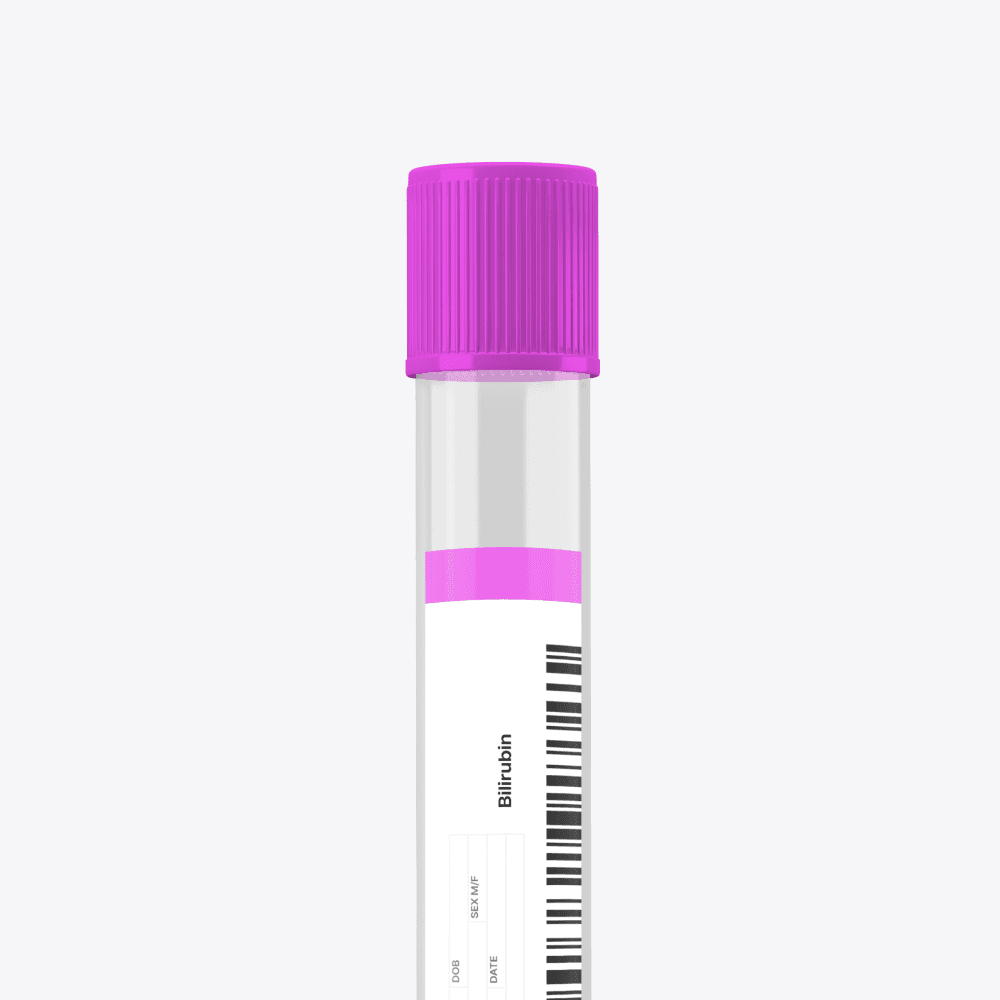
Bilirubin, Total
What This Marker Tells Us
Measures the yellow pigment from red blood cell breakdown, revealing liver function, bile duct patency, and red blood cell turnover rate.
Why It Matters
Bilirubin must be processed by the liver and excreted through bile. Elevated bilirubin causes jaundice, yellowing of skin and eyes, and indicates liver disease, bile duct obstruction, or excessive red blood cell destruction. While mild elevations may be benign, significant increases signal serious conditions requiring treatment. Bilirubin has antioxidant properties, but too much is toxic to the brain and other tissues.
How to Interpret Your Trends
Low bilirubin (below 0.2 mg/dL) is generally benign but removes mild antioxidant protection. Typical bilirubin (0.2-1.2 mg/dL) indicates normal liver function and red blood cell turnover. Elevated bilirubin (1.3-3.0 mg/dL) suggests liver dysfunction, bile duct issues, or hemolysis. High bilirubin (above 3.0 mg/dL) causes visible jaundice requiring medical evaluation for serious liver or bile duct disease.
What Influences This Marker
Liver disease impairs bilirubin processing and excretion. Bile duct obstruction from gallstones prevents bilirubin elimination. Hemolytic anemia increases production through accelerated red blood cell destruction. Gilbert's syndrome, a benign genetic condition, causes mild chronic elevation. Fasting and dehydration temporarily raise bilirubin. Liver health, bile flow, and normal red blood cell lifespan maintain optimal levels.
How Your Team Uses It
Your coach uses bilirubin to screen for liver and bile duct health, guiding further evaluation when elevated. Mild elevations often reflect benign Gilbert's syndrome but warrant monitoring. Significant elevations require medical investigation. It helps assess liver stress from training, supplements, or nutrition interventions.
Related Signals We Also Review
Liver enzymes (ALT, AST, alkaline phosphatase), direct bilirubin if available, hemolysis markers, complete blood count, and gallbladder imaging complete the bilirubin assessment.