

Heart Health
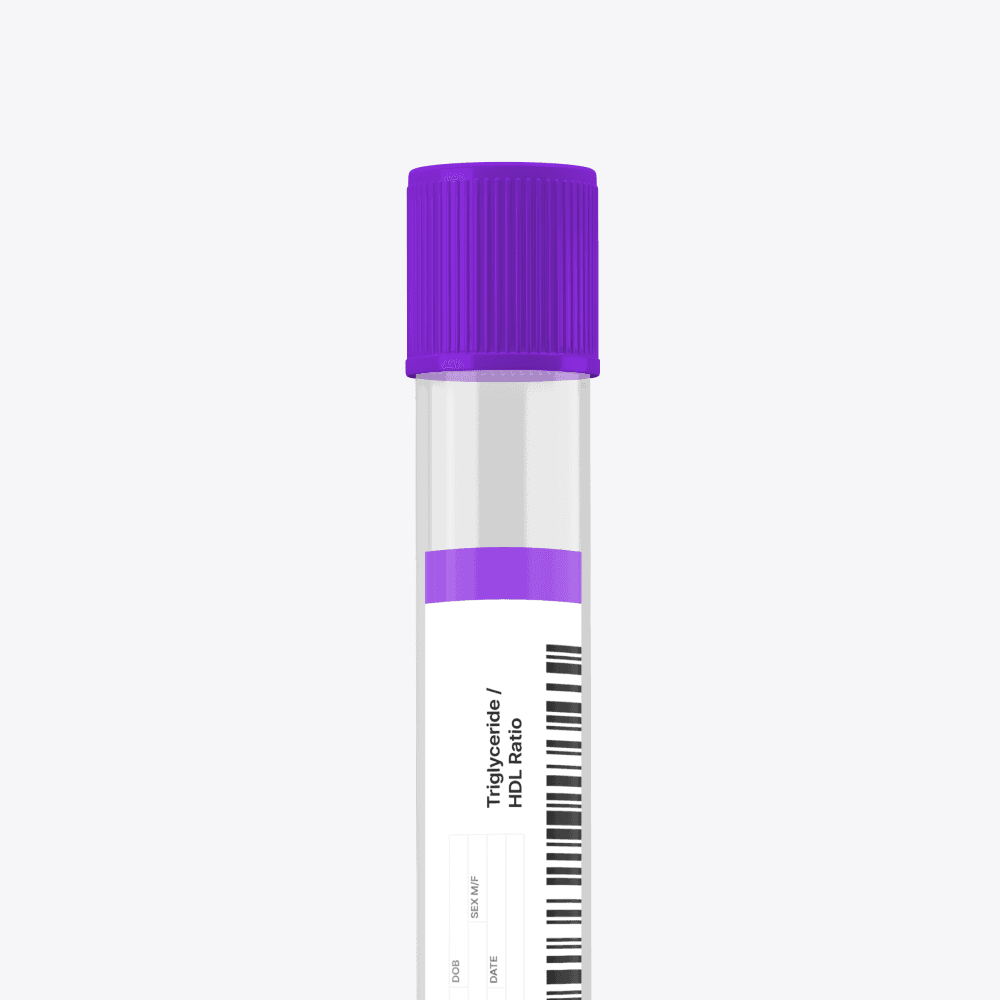
Triglyceride / HDL Ratio
What This Marker Tells Us
Divides triglycerides by HDL cholesterol, creating one of the most powerful predictors of insulin resistance, metabolic syndrome, and cardiovascular risk.
Why It Matters
Detects insulin resistance and metabolic dysfunction years before diabetes diagnosis. High triglycerides reflect excess carbohydrate conversion to fat and impaired fat clearance. Low HDL accompanies insulin resistance and inflammation. Together, they reveal a metabolic crisis—your cells are resistant to insulin, your liver overproduces triglycerides, and protective HDL plummets. This ratio predicts heart disease, diabetes, stroke, and even dementia better than glucose or individual lipids alone.
How to Interpret Your Trends
Low ratios (below 1.0 in mg/dL units, 0.4 in mmol/L) indicate excellent insulin sensitivity and metabolic health. Typical ratios (1.0-3.0 mg/dL) suggest moderate insulin sensitivity with room for improvement. High ratios (above 3.0 mg/dL) signal significant insulin resistance, metabolic syndrome, and dramatically increased cardiovascular risk. This ratio often reveals problems when glucose still appears normal.
What Influences This Marker
Refined carbohydrates and added sugars dramatically worsen this ratio by spiking insulin and triglyceride production while suppressing HDL. Alcohol, sedentary lifestyle, obesity, and poor sleep amplify insulin resistance. Exercise, particularly resistance training, improves insulin sensitivity. Low-carb or Mediterranean diets, weight loss, adequate protein, and metabolic health optimization normalize the ratio.
How Your Team Uses It
Your team prioritizes this ratio for metabolic optimization because it captures insulin resistance earlier than glucose. High ratios trigger comprehensive metabolic interventions including carbohydrate reduction, exercise prescription, sleep optimization, and stress management. Ratio improvements confirm restored insulin sensitivity before weight or glucose changes significantly.
Related Signals We Also Review
Triglycerides, HDL, fasting insulin, HOMA-IR, glucose, hemoglobin A1C, liver enzymes, and inflammatory markers complete the insulin resistance and metabolic syndrome assessment.