

Glucose
Insulin
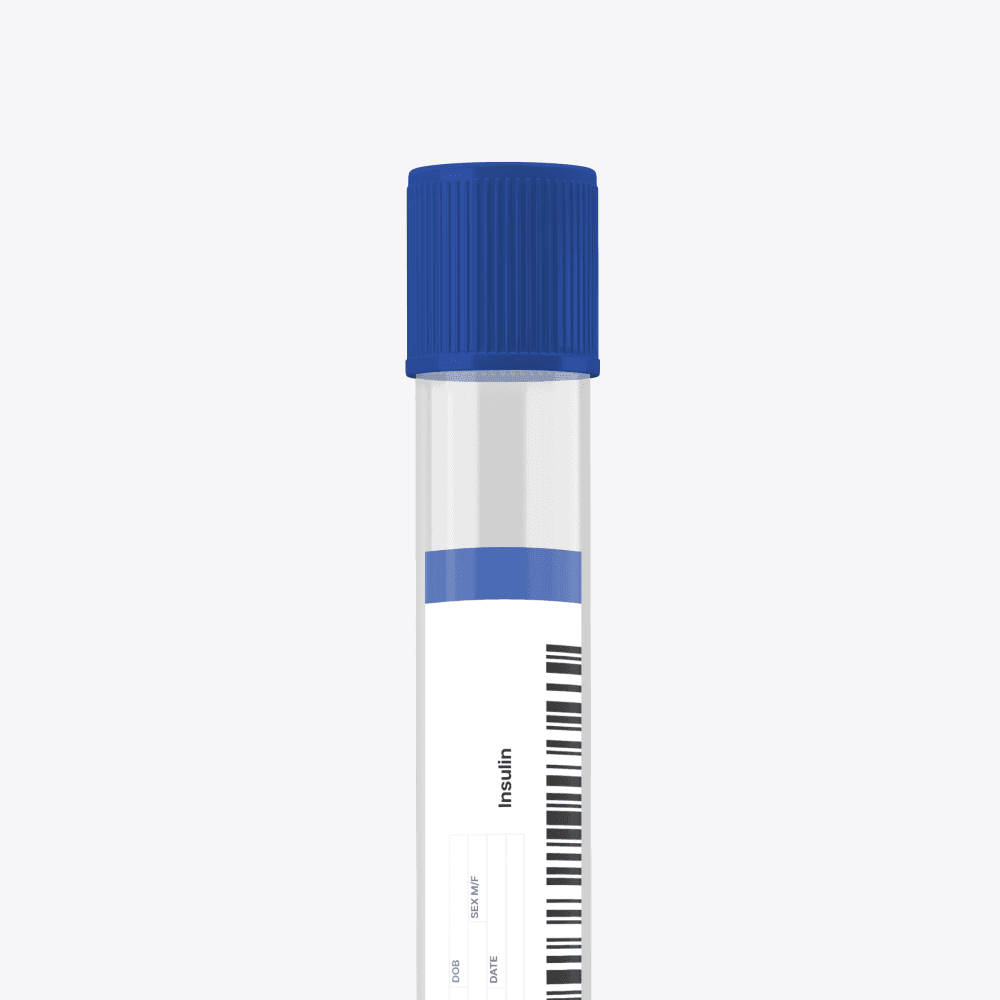
What This Marker Tells Us
Fasting insulin measures the amount of this critical hormone your pancreas produces to regulate blood sugar, reflecting how hard your body is working to maintain glucose control before any food intake.
Why It Matters
Insulin is one of the earliest markers of metabolic dysfunction, often rising years or even decades before blood sugar becomes abnormal. When cells become resistant to insulin's signals, your pancreas compensates by producing more insulin to achieve the same glucose control, a state called insulin resistance. Elevated insulin drives fat storage (especially visceral fat), promotes inflammation, increases cardiovascular risk, and is a hallmark of metabolic syndrome. High insulin also disrupts sex hormone balance, contributes to PCOS in women, and accelerates aging processes. Catching elevated insulin early provides a crucial intervention window before prediabetes or diabetes develops, when lifestyle changes are most effective.
How to Interpret Your Trends
Optimal fasting insulin is below 5 μIU/mL, indicating excellent insulin sensitivity. Levels between 5-10 μIU/mL are generally acceptable but warrant attention if trending upward. Insulin above 10 μIU/mL suggests developing insulin resistance even if glucose remains normal, requiring metabolic intervention. Levels above 15 μIU/mL indicate significant insulin resistance and metabolic dysfunction. Rising insulin over time is more concerning than a single elevated value. Compare insulin to your fasting glucose: an insulin-to-glucose ratio above 1.5 (in μIU/mL and mg/dL) or HOMA-IR above 1.5 suggests insulin resistance.
What Influences This Marker
Insulin rises with high carbohydrate intake (especially refined sugars), obesity (particularly visceral fat), sedentary lifestyle, chronic stress, poor sleep, and certain medications like steroids. Insulin resistance develops gradually through consistent overconsumption of processed foods, lack of exercise, and inflammatory states. Insulin improves with weight loss, particularly visceral fat reduction, resistance training, improved sleep quality, stress management, time-restricted eating, and dietary patterns emphasizing protein, fiber, and healthy fats while reducing refined carbohydrates.
How Your Team Uses It
Your coach uses fasting insulin as an early metabolic health indicator, often ordering it alongside glucose and HbA1c to calculate insulin sensitivity indices. Elevated insulin triggers comprehensive metabolic assessment and targeted intervention strategies. They'll develop personalized protocols addressing diet quality, meal timing, exercise, sleep, and stress Your coach implements these strategies through specific meal structures, macronutrient timing around workouts, resistance training protocols, and behavioral strategies to improve metabolic flexibility and reduce insulin demand.
Related Signals We Also Review
Fasting glucose, HbA1c, triglycerides, HDL cholesterol, ALT, AST, hs-CRP, and body composition for comprehensive metabolic health assessment.