

Vitamins
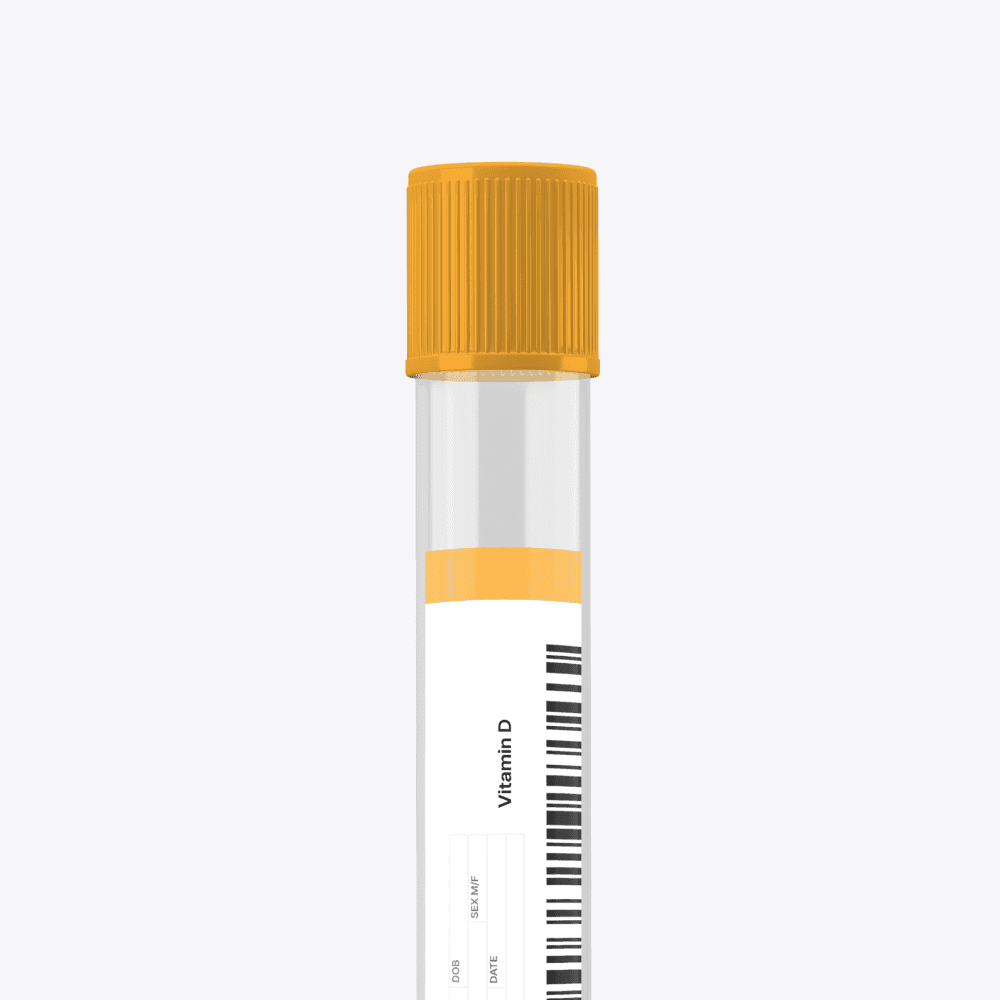
Vitamin D, 25-OH Total
What This Marker Tells Us
Measures the primary circulating form of vitamin D in your blood (25-hydroxyvitamin D), reflecting both dietary intake and sun exposure, and serving as the storage form before activation to the hormone calcitriol.
Why It Matters
Vitamin D regulates hundreds of genes and biological processes far beyond bone health. While famous for calcium absorption and bone strength, vitamin D is critical for immune function, cardiovascular health, mood regulation, muscle function, cancer prevention, and metabolic health. Deficiency (very common, especially in northern climates) increases risk for osteoporosis, fractures, infections, autoimmune diseases, depression, cardiovascular disease, and certain cancers. Even "insufficient" levels below optimal ranges correlate with reduced immune function and increased inflammatory diseases. Vitamin D is one of the few nutrients where supplementation is almost universally beneficial, with roughly 75% of Americans insufficient or deficient. Optimal levels support robust immune defense, healthy inflammatory responses, strong bones, better mood, and reduced chronic disease risk.
How to Interpret Your Trends
Optimal vitamin D is 40-60 ng/mL, though some experts recommend 50-80 ng/mL for maximal health benefits. Levels below 20 ng/mL indicate deficiency requiring aggressive repletion. Levels of 20-30 ng/mL are insufficient; above severe deficiency, but below optimal. Levels of 30-40 ng/mL are acceptable but at the lower end of the target range. Levels above 100 ng/mL may indicate excessive supplementation and warrant reduction. Vitamin D deficiency is extremely common in winter months at northern latitudes. Most people need supplementation year-round to maintain optimal levels, with higher doses often required initially to build stores.
What Influences This Marker
Vitamin D increases with sun exposure (UVB radiation), supplementation (typically 2000-5000+ IU daily depending on baseline), fatty fish consumption, and fortified foods. It decreases in winter months, with limited sun exposure, dark skin (which requires more sun for the same production), aging (reduced skin synthesis), obesity (vitamin D is fat-soluble and gets sequestered), malabsorption disorders, kidney disease, and certain medications. Indoor lifestyles and sunscreen use dramatically reduce production. Vitamin D metabolism requires magnesium, so deficiency in both is common.
How Your Team Uses It
Your coach reinforces consistent supplementation habits, emphasizes vitamin D-rich foods (fatty fish like salmon and mackerel, egg yolks, fortified dairy), and may discuss safe sun exposure strategies during appropriate seasons.
Related Signals We Also Review
Calcium, parathyroid hormone (PTH), magnesium, bone density (when relevant), and immune markers for comprehensive assessment of vitamin D status and effects.